
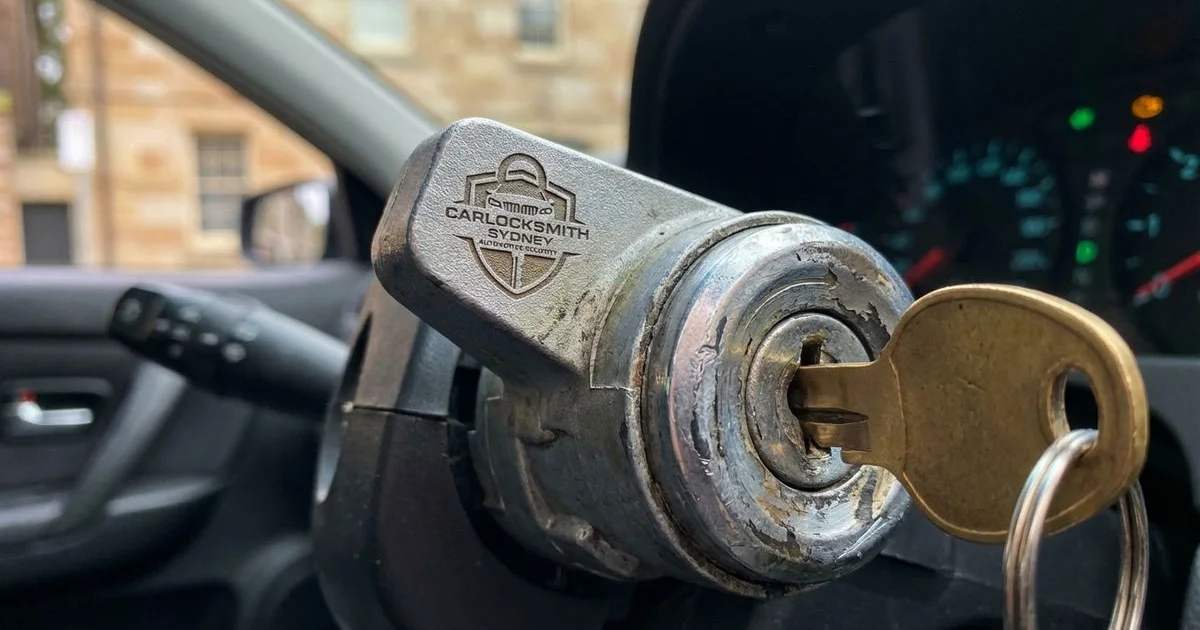
You know that split-second of panic when you turn the key and… nothing happens. It is a feeling every driver dreads. Our team at Car Locksmith Sydney sees this scenario play out constantly, usually when people are rushing to work or stuck in a shopping centre car park. Ignition systems are durable, but they are not invincible.
From what we have seen, the failure is rarely sudden. Your car almost always gives you a few weeks of subtle warnings before it quits entirely. The trick is knowing how to spot them.
We are going to break down the five most common signs that your ignition is failing, explain exactly why it happens, and share the practical steps you can take to fix it with a professional ignition repair without spending a fortune at the dealership.
Sign 1: The Key Is Stiff or Hard to Turn
This is typically the first red flag, and most drivers dismiss it as a quirk of an older vehicle. Ignoring this stiffness is a mistake that often leads to a snapped key.
What It Feels Like
You insert your key, but it refuses to turn smoothly. You might have to jiggle it, pull it out slightly, or wiggle the steering wheel while applying pressure. Eventually, it turns, but the effort required is clearly more than usual.
Why This Happens
- Worn Wafer Tumblers: Inside the cylinder, small metal discs called “wafers” match the cuts on your key. Over years of use, these wafers wear down and lose their precise shape. We see this frequently in older Toyota and Honda models where the soft brass wafers degrade faster than the steel key.
- Key Blade Wear: Your key itself might be the culprit. If the “mountains and valleys” on the blade are smoothed out, they will not align the internal pins correctly.
- Debris Buildup: Pocket lint, dust, and grime can pack into the cylinder. This is common in trade vehicles or cars driven in dusty environments like Western Sydney construction zones.
The “Insider” Fix
Do not force the key. If it feels stuck, try a dedicated dry lubricant like CRC Dry Graphite Lube or Kincrome Graphite Powder. Liquid lubricants like WD-40 attract dust and will turn the internal mechanism into a sticky sludge, making the problem worse in the long run.
Sign 2: Intermittent Starting Problems
The “Hot Weather” Effect
Sydney summers are tough on ignition switches. We often see a spike in calls during heatwaves when internal electrical contacts expand and lose connection.
What It Feels Like
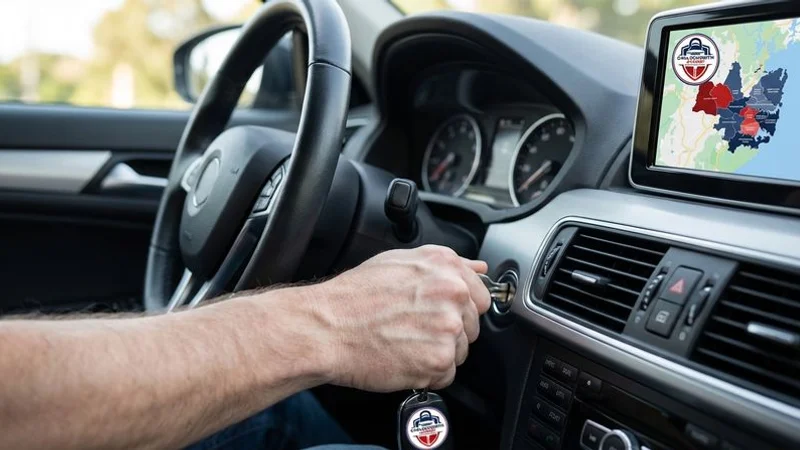
One morning the car starts fine. The next, you turn the key and get dead silence—no crank, no lights. You try again, and it fires up immediately. This “on-again, off-again” behavior is a classic symptom of a failing electrical switch behind the lock cylinder.
Why You Should Act Now
Intermittent failure is a countdown clock. The electrical contacts inside the switch are likely pitted or corroded. Eventually, they will stop making contact entirely, leaving you stranded. In some cases, a failing switch can cut power to the engine while you are driving, which disables power steering and brakes.
Sign 3: The Key Gets Stuck in the Ignition
This issue is particularly common in European car models like the Volkswagen Golf and Jetta, as well as automatic Ford Falcons.
What It Feels Like
You park the car, turn the engine off, but the key refuses to release. It rotates back to the “off” position but stays locked in the cylinder. No amount of pulling sets it free.
The Hidden Causes
- Shifter Interlock Failure: In automatic cars, a cable connects the gear shifter to the ignition. If this cable stretches or the sensor fails, the car thinks it is still in “Drive” or “Reverse” and locks the key as a safety measure. We see this often in older Ford Falcons (BA and BF models).
- Steering Column Tension: If you park with your wheels turned hard against a curb, the steering lock puts immense pressure on the ignition cylinder.
- Deformed Key: A slight bend in the key blade can allow it to enter but prevent it from retracting past the locking pins.
Trouble-Shooting Tip
Check your gear shifter first. Firmly push the lever into “Park” and try again. If that fails, gently turn the steering wheel left and right while trying to remove the key to release the tension.
Sign 4: Grinding or Clicking Noises
What It Feels Like
Instead of a clean engine roar, you hear a harsh grinding, buzzing, or rapid clicking sound when you turn the key.
Identifying the Source
- Starter Motor vs. Ignition: A rapid “click-click-click” usually points to a weak battery or a dying starter motor. However, a buzzing or arcing sound from the steering column itself indicates the ignition switch contacts are frying.
- Mechanical Grinding: If the sensation is gritty and you hear metal-on-metal scraping inside the keyhole, the cylinder’s internal mechanics are disintegrating.
The Cost of Waiting
Ignoring this sound is expensive. A worn ignition switch that sends “dirty” or low-voltage signals can damage your starter motor. We have seen a $250 ignition switch repair turn into a $1,000 job because the starter motor burned out from poor electrical signals.
Sign 5: Dashboard Lights Flicker or Accessories Cut Out
What It Feels Like
You are driving along the M4, and your radio suddenly cuts out. Maybe your dashboard lights flicker for a split second. The engine might even stumble before recovering.
Why This Is Dangerous
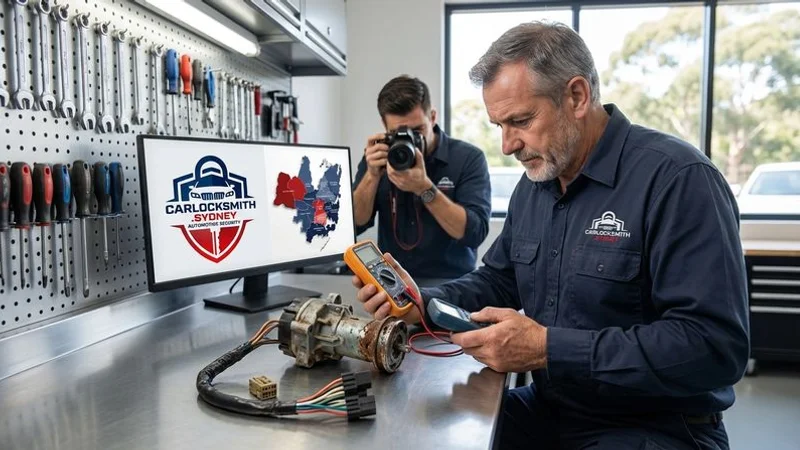
The ignition switch powers your car’s critical systems. If the internal contacts are worn, vibration from the road can cause a momentary disconnect.
- Safety Critical Systems: A total failure can cut power to your airbags, ABS, and engine management systems.
- The “Wiggle” Test: With the car parked and idling, gently wiggle the key. If the engine stalls or the dash lights flicker, your ignition switch is defective and needs immediate replacement.
Comparing Your Repair Options
If you spot these signs, you have three main paths to a fix. We have broken down the typical costs and pros and cons for Sydney drivers in 2026.
| Repair Option | Estimated Cost (AUD) | Time Required | Pros & Cons |
|---|---|---|---|
| Mobile Locksmith | $180 - $450 | 1 - 2 Hours | Best Value. We come to you. Includes parts, labour, and key coding. No towing needed. |
| Dealership | $450 - $1,200+ | 2 - 5 Days | Most Expensive. Requires towing. Genuine parts, but you pay a premium for the brand name. |
| Local Mechanic | $250 - $600 | 1 - 2 Days | Middle Ground. Good for mechanical switches, but they often lack the coding tools for transponder keys. |
Why “DIY” Can Be Dangerous
You might find a YouTube video showing how to swap an ignition switch, but modern cars make this risky.
The Airbag Warning
On vehicles like the Holden Commodore (VZ/VE) and Ford Falcon, the ignition system is integrated closely with the steering column wiring. If you disconnect the wrong plug or fail to discharge the capacitors by disconnecting the battery for at least 15 minutes, you risk triggering the SRS Airbag warning light.
Fixing this light often requires a specialized dealer-level scan tool, which can cost you an extra $150 just to reset. For the sake of saving a few dollars, it is rarely worth the risk of an airbag fault or a non-starting car.
Prevention Tips to Extend Ignition Life
- Lighten Your Load: A heavy keyring is the number one killer of ignition cylinders. The weight swings back and forth as you drive, wearing out the internal wafers. Keep your car key separate or limit your keyring to 2-3 essential items.
- Use Graphite Only: Once a year, a small puff of graphite powder keeps the lock smooth. Never use oil or grease.
- Use Your Spare: Rotate between your main key and your spare key every six months. This spreads the wear across two keys instead of destroying one.
The Bottom Line
Your ignition is telling you something. A stiff turn, a stuck key, or a flickering dashboard are not just annoyances; they are warnings.
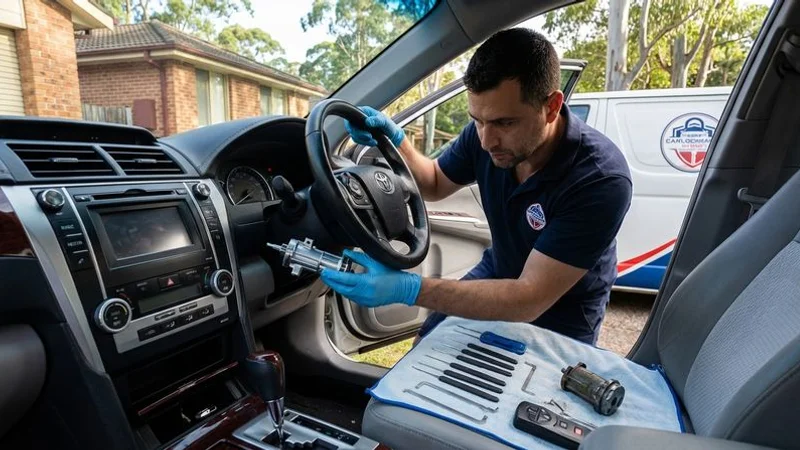
Dealing with it now is a simple repair job. Waiting until it fails means a tow truck, an emergency lockout, and a much higher bill. If your key is giving you trouble, do not wait for the day it refuses to turn. Call a qualified mobile locksmith to diagnose the issue on-site and get you back on the road with peace of mind. If your key is already stuck, see our guide on what to do when your key is stuck in the ignition.
Looking for this service?
View our ignition repair service →